


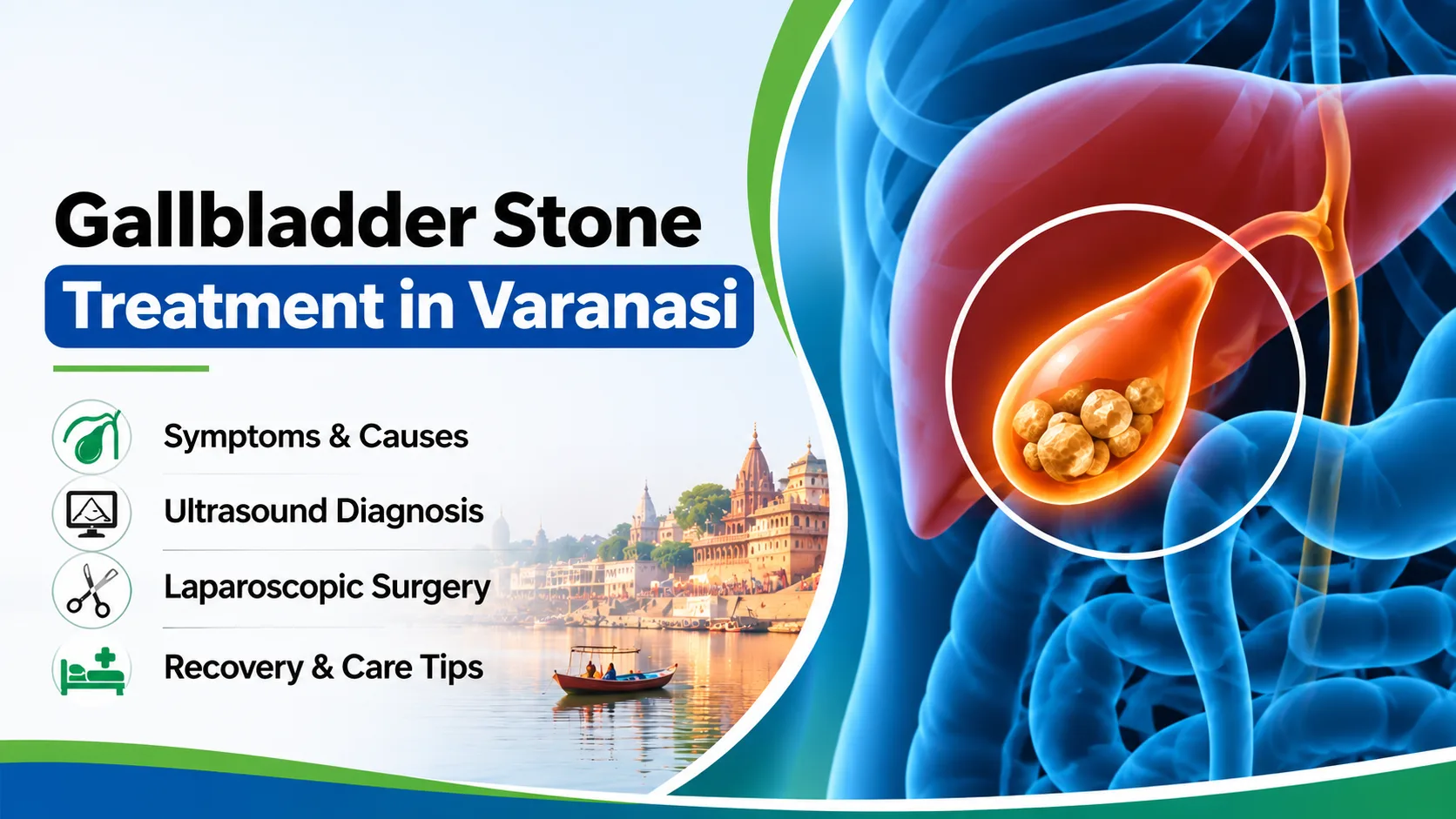
Gallbladder Stone Treatment in Varanasi: Symptoms, Laparoscopic Surgery & Recovery
Gallbladder stones, also known as gallstones, are hardened deposits that develop inside the gallbladder. While some people experience no symptoms, others may have upper abdominal pain, nausea, vomiting or repeated painful episodes.
If you are searching for gallbladder stone treatment in Varanasi, understanding the causes, symptoms, treatment options and recovery process can help you prepare for a consultation.
This guide from Sudha Surgical Hospital explains how gallstones are diagnosed, when laparoscopic surgery may be recommended and what patients can generally expect during recovery.
What Are Gallbladder Stones?
The gallbladder is a small organ located beneath the liver. Its main function is to store bile, a digestive fluid produced by the liver that helps break down fats.
Gallstones develop when substances present in bile form solid deposits. These deposits may contain cholesterol, bilirubin or other components.
Gallstones can vary in size and number. Some remain in the gallbladder without causing symptoms, while others may obstruct the flow of bile and cause pain or complications.
Important: Gallstones without symptoms often do not require immediate surgery. Treatment depends on symptoms, clinical findings and individual risk factors.
Common Symptoms of Gallbladder Stones
Symptoms commonly occur when a stone temporarily blocks the gallbladder outlet or causes inflammation.
1. Upper Right Abdominal Pain
Pain in the upper right abdomen or upper middle abdomen is one of the most common symptoms. It may be sudden, steady and sometimes severe.
2. Pain After Eating
Some people notice painful episodes after meals, particularly heavy or fatty meals. However, gallstone pain is not always directly related to food intake.
3. Pain Spreading to the Back
Pain may spread toward the right shoulder or between the shoulder blades.
4. Nausea and Vomiting
Nausea and vomiting may accompany painful gallstone episodes. These symptoms can also occur with other conditions.
5. Fever or Yellowing of the Eyes
Fever, chills or jaundice may indicate infection, gallbladder inflammation or bile duct obstruction. These symptoms require prompt medical assessment.
Emergency Warning: Severe or persistent abdominal pain, fever, jaundice, repeated vomiting or a very unwell feeling may indicate complications. Seek urgent medical care rather than waiting for an online response.
What Causes Gallbladder Stones?
Gallstones develop when the balance of substances in bile changes or when the gallbladder does not empty effectively.
Factors associated with an increased risk of gallstones include:
- Increasing age
- Female sex
- Family history of gallstones
- Overweight or obesity
- Rapid weight loss
- Pregnancy-related hormonal changes
- Diabetes and metabolic conditions
- Some liver and blood disorders
How Are Gallbladder Stones Diagnosed?
Medical History and Examination
The doctor evaluates the location, severity and pattern of abdominal pain and checks for signs of inflammation or complications.
Abdominal Ultrasound
Ultrasound is commonly the first imaging investigation used to identify gallbladder stones. It can also reveal certain changes associated with gallbladder inflammation.
Blood Tests
Liver function tests, blood counts and other investigations may be recommended to evaluate possible infection, obstruction or associated complications.
Additional Imaging
In selected situations, the doctor may request MRCP, CT imaging or other investigations to examine the bile ducts and surrounding organs.
To understand diagnostic imaging, patients can read our CT Scan in Varanasi guide . The most suitable test depends on the suspected condition.
Gallbladder Stone Treatment Options in Varanasi
Treatment depends on symptoms, stone-related complications and the patient's overall health.
| Clinical Situation | Possible Management |
|---|---|
| Gallstones without symptoms | Observation in many cases, with medical advice |
| Repeated gallstone pain | Surgical consultation; gallbladder removal may be recommended |
| Gallbladder inflammation | Prompt medical evaluation, supportive care and surgery when appropriate |
| Suspected bile duct stones | Further investigation and potentially an endoscopic procedure |
1. Observation Without Surgery
When gallstones are discovered incidentally and do not cause symptoms, surgery may not be necessary. The doctor may recommend monitoring and guidance about warning signs.
2. Medicines and Symptom Management
Medicines may be used to control pain and related symptoms. Certain medicines that dissolve selected cholesterol stones are used only in limited situations. They are not appropriate for every patient.
3. Laparoscopic Gallbladder Surgery
Laparoscopic cholecystectomy is a commonly recommended operation for symptomatic gallstones. It involves removing the gallbladder through several small incisions using a camera and specialized surgical instruments.
Patients can explore the General & Laparoscopic Surgery Department at Sudha Surgical Hospital for information about surgical services.
What Happens During Laparoscopic Gallbladder Surgery?
- Preoperative evaluation: The surgical and anaesthesia teams review the patient's history, tests and fitness.
- General anaesthesia: The operation is typically performed while the patient is asleep.
- Small incisions: Several small abdominal cuts allow the insertion of a camera and surgical instruments.
- Gallbladder removal: The surgeon separates and removes the gallbladder.
- Recovery monitoring: The care team monitors postoperative discomfort, vital signs and recovery from anaesthesia.
Occasionally, the surgical team may need to perform an open procedure if laparoscopic surgery cannot be completed safely.
Laparoscopic vs Open Gallbladder Surgery
| Feature | Laparoscopic Surgery | Open Surgery |
|---|---|---|
| Incisions | Several smaller incisions | One larger incision |
| Recovery | Often faster | Usually takes longer |
| Hospital Stay | Often shorter | May be longer |
| Suitability | Commonly preferred when clinically appropriate | Used when clinically necessary |
Recovery After Gallbladder Removal
Recovery varies according to the type of surgery, the patient's overall health and whether complications were present.
Wound Care
Keep surgical wounds clean according to hospital instructions. Follow guidance about dressings, bathing and signs of infection.
Diet After Surgery
Most people can gradually return to a normal diet. Some patients find smaller meals and temporarily limiting very fatty foods helpful during early recovery.
Walking and Physical Activity
Gentle movement may be encouraged once medically appropriate. Avoid strenuous activity or heavy lifting until cleared by the surgical team.
Follow-Up Appointments
Follow-up allows the surgeon to assess wound healing, discuss symptoms and advise when normal activities can safely resume.
Can You Live Normally Without a Gallbladder?
Yes. Most people can live normal lives without a gallbladder. The liver continues producing bile, which flows into the digestive system.
Some people experience temporary digestive changes, including loose stools or discomfort after fatty meals. Persistent symptoms should be assessed by a doctor.
Gallbladder Surgery Cost in Varanasi
The overall cost of gallbladder surgery depends on several factors. These may include:
- Type of surgery required
- Complexity of the medical condition
- Preoperative investigations
- Anaesthesia and surgical charges
- Hospital room category
- Duration of hospitalization
- Medicines and postoperative care
- Applicable insurance coverage
Patients should request a detailed hospital estimate after consultation, rather than relying on a single advertised cost.
Gallbladder Stones vs Kidney Stones
Gallbladder stones and kidney stones are different conditions.
Gallbladder stones develop in the biliary system and may cause upper abdominal pain. Kidney stones develop in the urinary system and may cause flank pain, urinary symptoms or nausea.
Both conditions require different clinical investigations and treatment approaches.
To learn more, read our Kidney Stone Symptoms, Causes and Treatment Guide .
When Should You Consult a Surgeon?
A consultation may be appropriate if you experience recurring upper abdominal pain, have ultrasound findings of symptomatic gallstones or have been advised to consider gallbladder removal.
Patients from Varanasi and nearby areas such as Chandauli, Ghazipur, Jaunpur, Mirzapur and Bhadohi can contact Sudha Surgical Hospital to enquire about specialist availability and services.
Visit our Laparoscopic Surgery Department or Contact Page for more information.
Frequently Asked Questions
1. Can gallstones disappear without surgery?
Most established gallstones do not disappear on their own. Some symptom-free stones require no treatment, while selected medicines may be considered in limited situations.
2. Is surgery necessary for every gallstone?
No. Surgery is not routinely required for all symptom-free gallstones. Recurrent symptoms or complications can change the treatment plan.
3. Is laparoscopic gallbladder surgery safe?
It is a commonly performed procedure, but it carries potential risks such as bleeding, infection, bile duct injury and anaesthetic complications. Individual risk assessment is important.
4. How long does recovery usually take?
Many people return to light activities relatively soon after uncomplicated laparoscopic surgery. Recovery varies, and your surgeon should advise on work, driving and exercise.
5. Can gallstones cause serious complications?
Yes. Gallstones can cause gallbladder inflammation, bile duct obstruction, infection or pancreatitis. Severe pain, fever or jaundice needs urgent evaluation.
6. Can I eat normally after gallbladder surgery?
Most people gradually return to a normal diet. Temporary digestive changes can occur. Follow your doctor's postoperative advice.
7. Which test is commonly used to diagnose gallstones?
Abdominal ultrasound is commonly used as the first imaging test when gallstones are suspected.
8. Which specialist treats symptomatic gallstones?
A general or laparoscopic surgeon usually evaluates patients considering gallbladder removal. Some patients also require gastroenterology assessment.
Why Consider Sudha Surgical Hospital in Varanasi?
Sudha Surgical Hospital is located in the Orderly Bazar area of Varanasi. Its website provides information about General & Laparoscopic Surgery, Gastroenterology and related medical departments.
For a clinical consultation, patients should confirm current doctor availability, suitable investigations and individualized treatment recommendations.
Hospital Address: S-2/1-9T & S-2/1-17K, Tagore Town Colony, Orderly Bazar, Bhojuveer, Varanasi, Uttar Pradesh 221002.
Phone: +91 9517027644
Medical Disclaimer: This content is intended for general patient education and is not a substitute for professional medical advice, diagnosis or treatment. Seek urgent care for severe abdominal pain, fever, jaundice or persistent vomiting.